דיוחנן - kosher rapidograph ink.... Experiences or comments pls
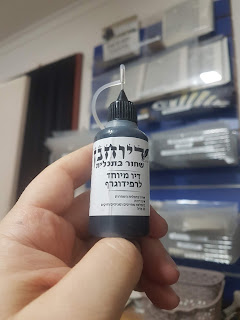
I recently tried this kosher ink for my rapidograph and I am extremely pleased with it. It does not clog the nib like other kosher rapidograph inks, and it's very dark and strong. It's at least as good as the Rotring commercial grade rapidograph inks (of course these can only be used with batch numbers that have been lab tested and approved kosher), and in addition you do not need to add a drop of regular Sta"m ink (as per the instruction of the Shevet Halevi, which is messy and time consuming). I was wondering if anyone else had an opinion or comments with regards to their experience with this ink...
הדין - מותר
ReplyDeleteואיך מתפרשים דברי המ"ב בס"ק ל"ד?
ReplyDeleteדאי נימא דכל מה שחוששין לכתחילה הוא שלא יגע הנקב בהאות במקום אחד עכ"פ, נמצא דהיא היא חומרת הירושלמי שכ' המחבר בהמשך: 'אבל בירושלמי משמע שגם מבפנים צריך שיהא מקף קלף' כפי שביארו המ"ב בס"ק ל"ז ובביאו"ה ד"ה אבל בירושלמי. וא"כ הו"ל להמחבר לכתוב דינא דתלמודא דידן - דלא מצריכינן הקף גויל תוך האות - באופן של לכתחילה (דכן הוא לתלמודא דידן) וכשמביא הירושלמי שפיר מבואר דבפועל לא מקילינן כתלמודא דידן לכתחילה ומצריכין הק"ג תוך האות לחשוש לירושלמי.
Deleteומפני זה מוכרחים אנו לומר דלדעת הפמ"ג והמ"ב תרי דיני איכא: נקב תוך האות שלא נוגע בקווי האות כלל ונקב שנוגע במקום אחד עכ"פ. וצריכים לפלוג ולתני בדברי המחבר. דבכתבו דינא דתלמודא דידן באופן של בדיעבד ('אם לאחר שנכתב נקב .. כשר') כוונתו דלכחילה אין לכתוב אפי' אם לא יגע הנקב בקווי האות כלל ומ"מ אם עבר וכתב כשר לכתחילה. וכשממשיך 'אפי' נקב כל תוכו שהנקב ממלא כל החלל' זה באמת אינו כשר לכתחילה דבכגון דא חוששין לחומרת הירושלמי שמביא בהמשך ומצריכן לתקנו ולעשותו מוקף גויל בתוכו (ורק בשעת הדחק לא משגחינן בירושלמי לדעת הביאו"ה בס"ד אבל בירושלמי).
יפה כתבת, ודי למבין קושי ביאור לשון המחבר לפי זה
ReplyDelete